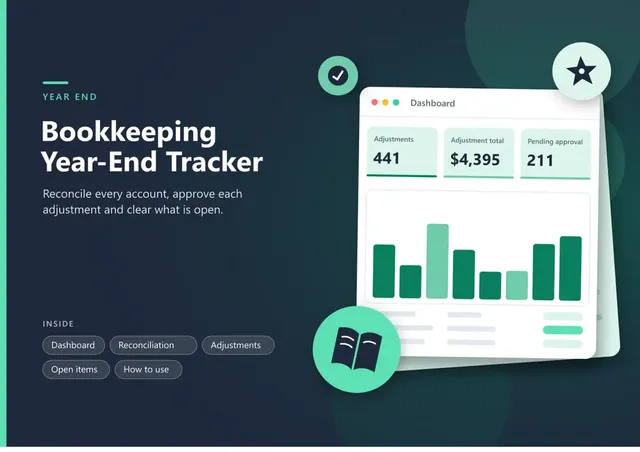
Bookkeeping Year-End Tracker
Sheets + Excel6 tabs
Free70 templates
Sheets + Excel6 tabs
Free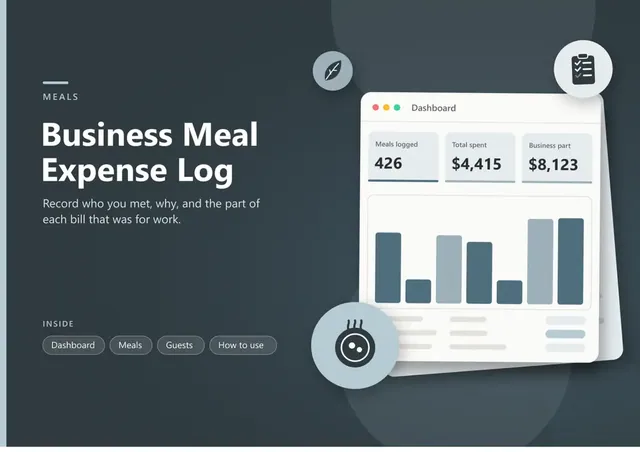
Sheets + Excel5 tabs
Free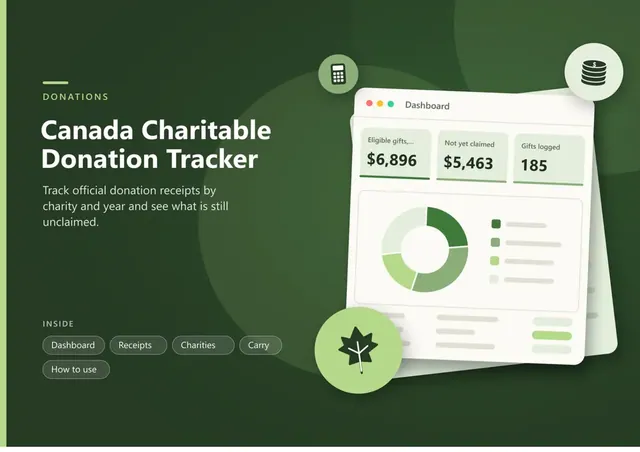
Sheets + Excel6 tabs
Free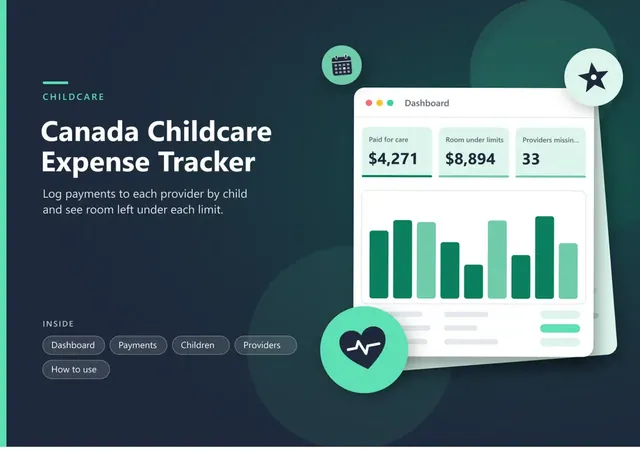
Sheets + Excel6 tabs
Free
Sheets + Excel5 tabs
Free
Sheets + Excel6 tabs
Free
Sheets + Excel6 tabs
Free
Sheets + Excel6 tabs
Free
Sheets + Excel5 tabs
Free
Sheets + Excel6 tabs
Free
Sheets + Excel5 tabs
Free
Sheets + Excel5 tabs
Free
Sheets + Excel5 tabs
Free
Sheets + Excel6 tabs
Free
Sheets + Excel6 tabs
Free
Sheets + Excel5 tabs
Free
Sheets + Excel5 tabs
Free
Sheets + Excel5 tabs
Free
Sheets + Excel5 tabs
Free
Sheets + Excel5 tabs
Free
Sheets + Excel6 tabs
Free
Sheets + Excel6 tabs
Free
Sheets + Excel6 tabs
Free
Sheets + Excel6 tabs
Free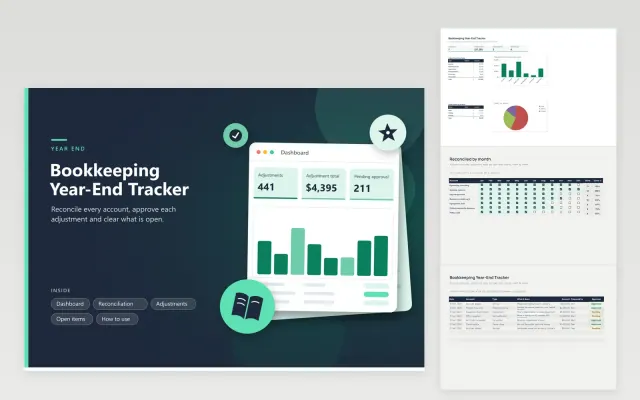 Bookkeeping Year-End Tracker | 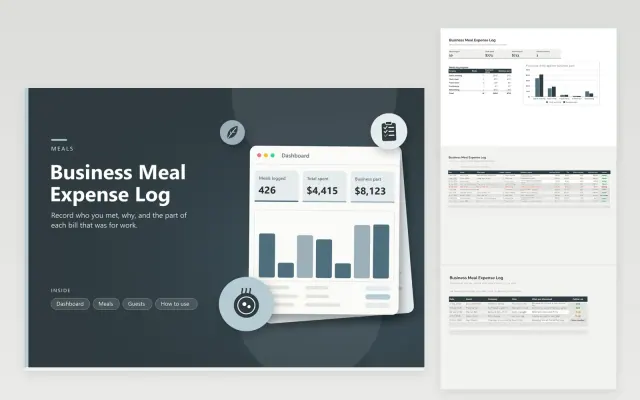 Business Meal Expense Log | 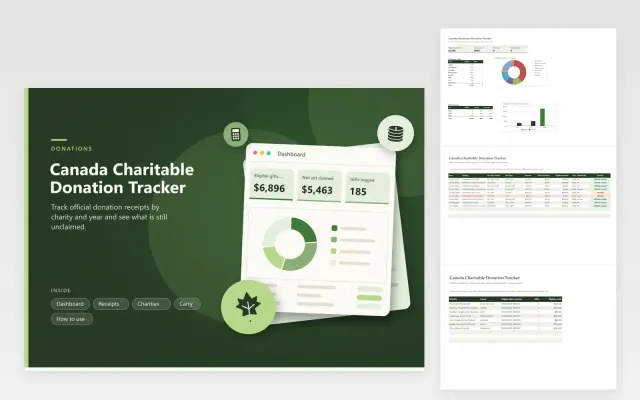 Canada Charitable Donation Tracker | 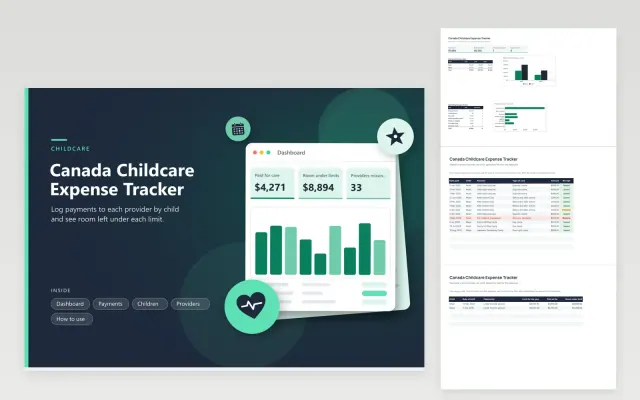 Canada Childcare Expense Tracker | |
|---|---|---|---|---|
| Format | Spreadsheet | Spreadsheet | Spreadsheet | Spreadsheet |
| Works in | Google Sheets and Excel | Google Sheets and Excel | Google Sheets and Excel | Google Sheets and Excel |
| Length | 6 slides | 5 slides | 6 slides | 6 slides |
| Style | Modern | Minimal | Friendly | Modern |
A tax tracker is a spreadsheet that collects through the year what you will need when you file: deductible expenses, estimated payments, income forms and receipts. Freelancers, landlords, small business owners and households use one so tax season becomes a matter of copying totals rather than digging through a shoebox.
Cover income by source, including forms such as 1099s, deductible expenses sorted into categories, estimated tax payments with due dates, a list of documents and whether each has arrived, running totals for the year, and notes for your tax preparer.
Log each expense the week it happens with the date, amount, purpose and where the receipt is saved, because a record made at the time holds up far better than one rebuilt in April.
Compare Bookkeeping Year-End Tracker, Business Meal Expense Log, and Canada Charitable Donation Tracker, all 4 to 6 pages long, then pick the closest match and replace the sample text with your own.
A tax tracker is a spreadsheet that collects through the year what you will need when you file: deductible expenses, estimated payments, income forms and receipts. Freelancers, landlords, small business owners and households use one so tax season becomes a matter of copying totals rather than digging through a shoebox.
Include income by source, including forms such as 1099s, deductible expenses sorted into categories, estimated tax payments with due dates, a list of documents and whether each has arrived, running totals for the year, and notes for your tax preparer. Log each expense the week it happens with the date, amount, purpose and where the receipt is saved, because a record made at the time holds up far better than one rebuilt in April.
Keep proof of income, receipts or statements for expenses you plan to deduct, records of estimated payments, and year-end forms from employers, clients and banks. The IRS generally expects records to be kept for at least three years after you file, and longer in some cases, so check current guidance.
Federal estimated payments are usually due in mid-April, mid-June, mid-September and mid-January of the following year, with dates moving when they fall on a weekend or holiday. Confirm each year on the IRS website, and check your state, which may have its own schedule.
No. It organizes the numbers and documents so filing is faster and cheaper, but it does not apply tax rules for you. Share the totals and your notes with your preparer or enter them into your filing software, and ask a professional about anything you are unsure of.
Start with Bookkeeping Year-End Tracker: Track reconciliations by account and month, year-end adjusting entries and unresolved items until the books can close. If that is not the right fit, compare it with Business Meal Expense Log.
The templates here are 4 to 6 pages long. Cut any section you do not need; each template explains what its sections are for.
Yes. These tax tracker templates work in Google Sheets and Microsoft Excel. All 70 templates are free, with no account or email needed.