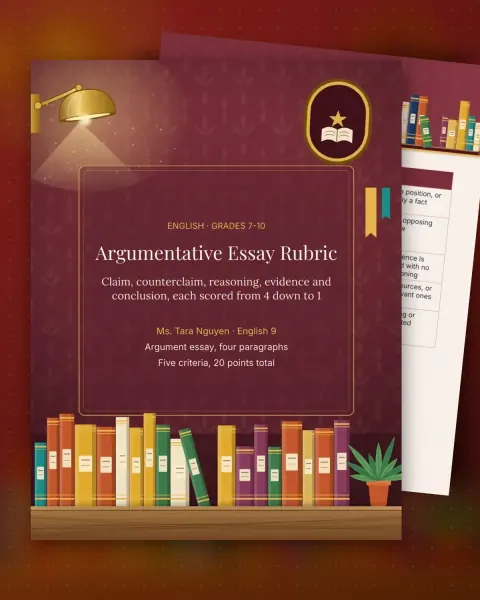
Argumentative Essay Rubric
Docs + Word3 pages
Free25 templates
Docs + Word3 pages
Free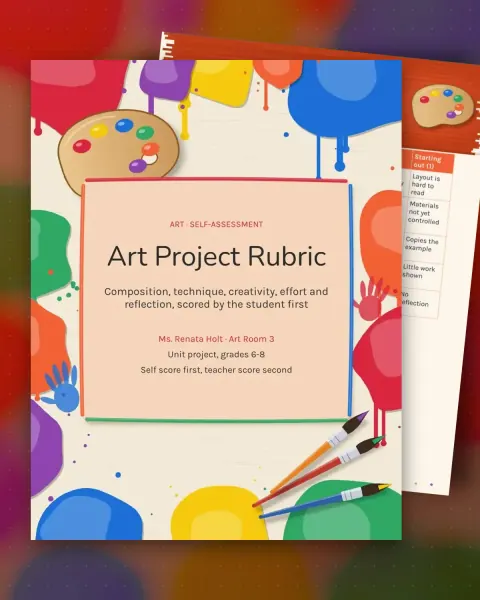
Docs + Word3 pages
Free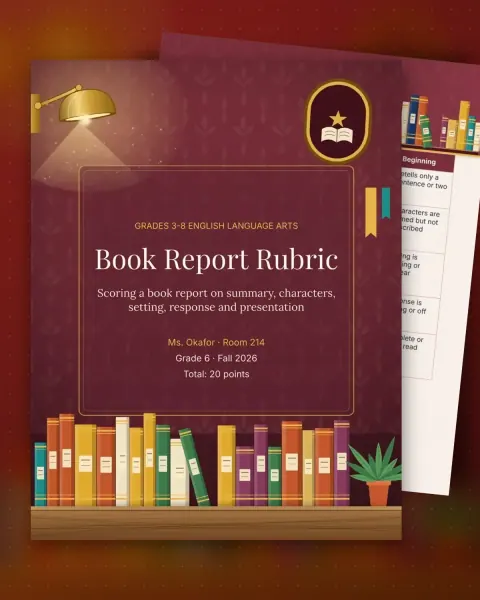
Docs + Word3 pages
Free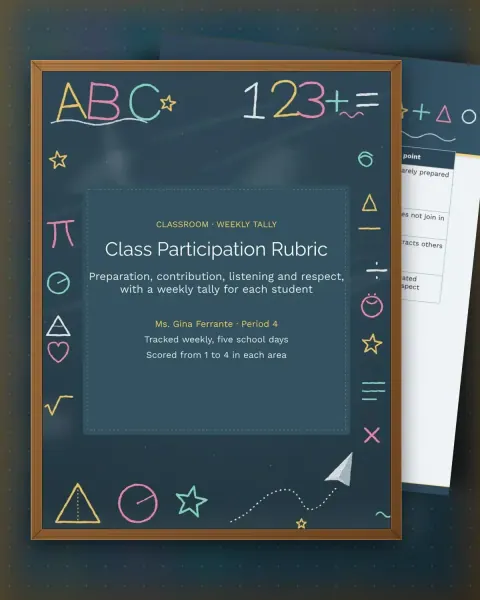
Docs + Word3 pages
Free
Docs + Word3 pages
Free
Docs + Word3 pages
Free
Docs + Word3 pages
Free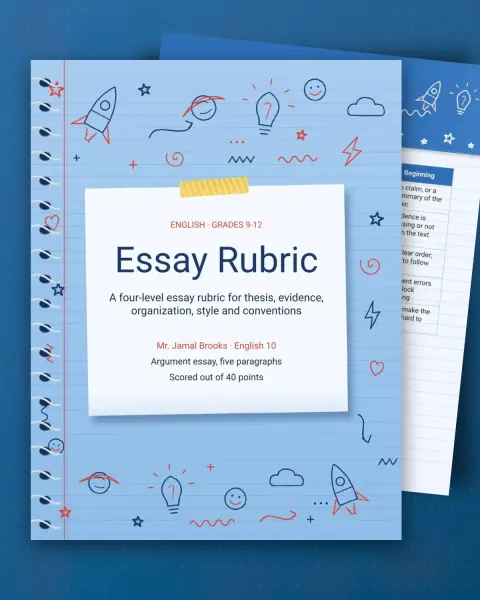
Docs + Word3 pages
Free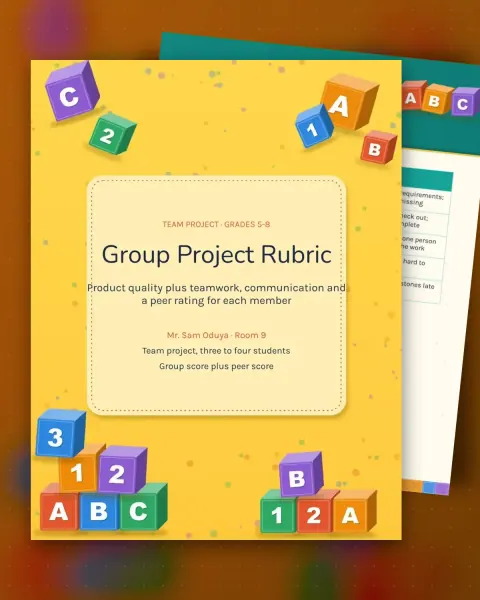
Docs + Word3 pages
Free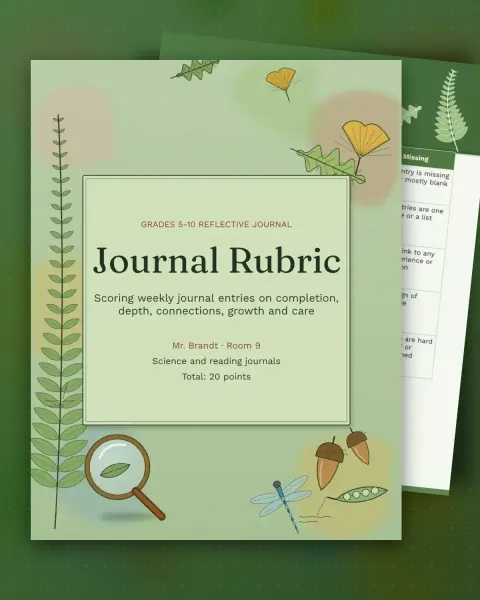
Docs + Word3 pages
Free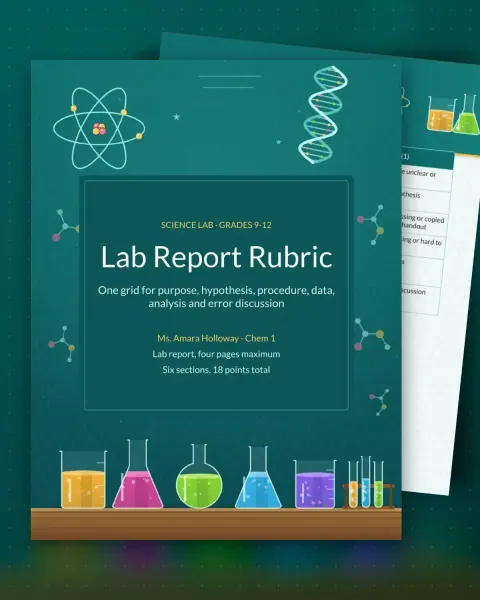
Docs + Word3 pages
Free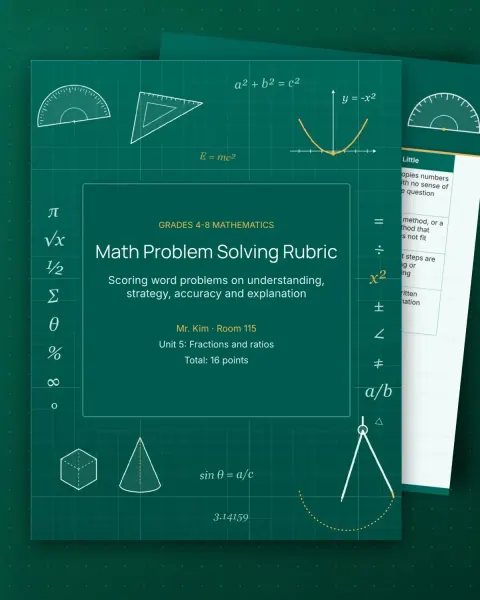
Docs + Word3 pages
Free
Docs + Word3 pages
Free
Docs + Word3 pages
Free
Docs + Word3 pages
Free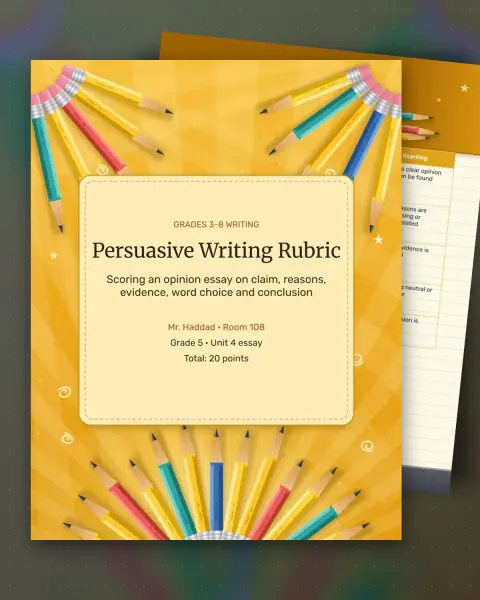
Docs + Word3 pages
Free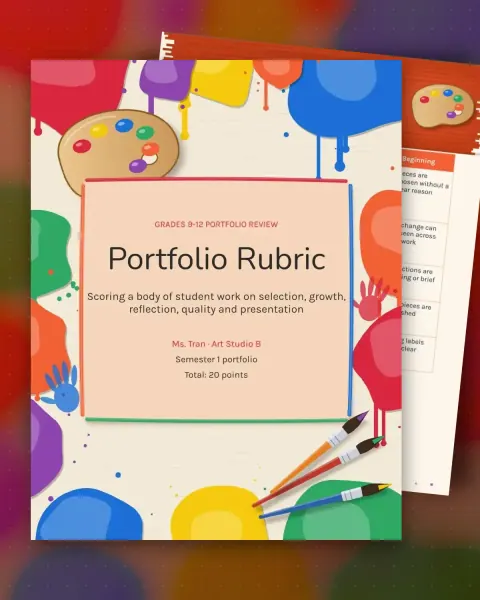
Docs + Word3 pages
Free
Docs + Word3 pages
Free
Docs + Word3 pages
Free
Docs + Word3 pages
Free
Docs + Word3 pages
Free
Docs + Word3 pages
Free
Docs + Word3 pages
Free
Docs + Word3 pages
Free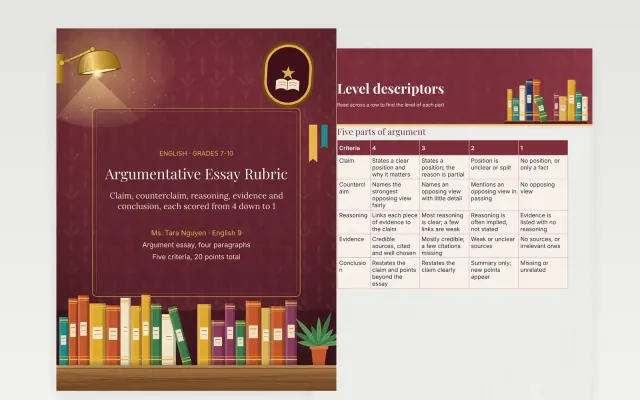 Argumentative Essay Rubric | 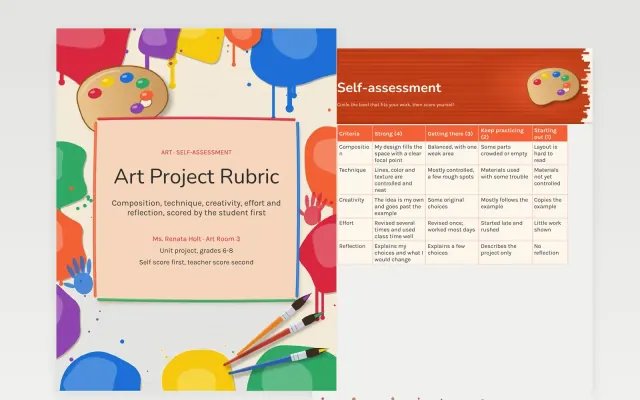 Art Project Rubric | 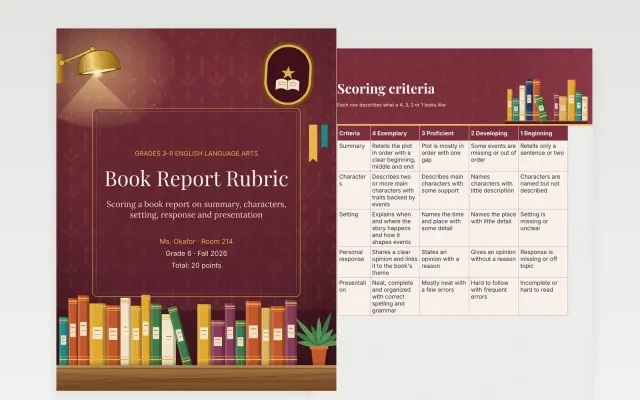 Book Report Rubric | 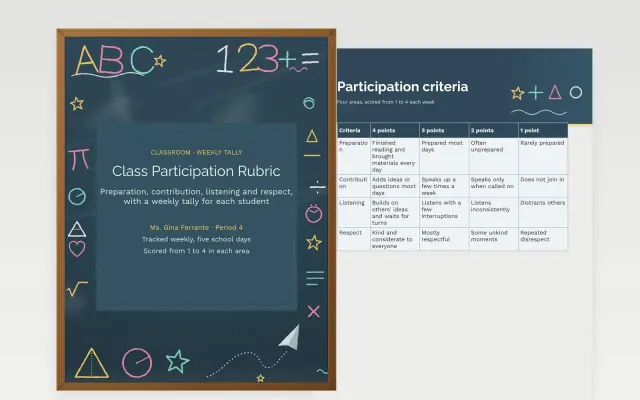 Class Participation Rubric | |
|---|---|---|---|---|
| Format | Document | Document | Document | Document |
| Works in | Google Docs and Word | Google Docs and Word | Google Docs and Word | Google Docs and Word |
| Length | 3 pages | 3 pages | 3 pages | 3 pages |
| Style | Editorial | Bold | Editorial | Minimal |
A rubric is a scoring guide that lists what a piece of work will be judged on and describes what each level of quality looks like. Teachers use rubrics to grade essays, projects, presentations and labs consistently, and students use them before they start to see what a strong result needs. Analytic rubrics score each criterion separately; holistic rubrics give one overall score.
Cover the task and the skills it assesses, criteria as rows, such as thesis, evidence and organization, performance levels as columns, often four, a short descriptor in every cell, points or weights for each criterion, and space for a total and written feedback.
Describe what you would see at each level, not just how good it is. "Uses three relevant quotes with page numbers" helps a student far more than "good evidence".
Compare Argumentative Essay Rubric, Art Project Rubric, and Book Report Rubric, all 3 pages long, then pick the closest match and replace the sample text with your own.
A rubric is a scoring guide that lists what a piece of work will be judged on and describes what each level of quality looks like. Teachers use rubrics to grade essays, projects, presentations and labs consistently, and students use them before they start to see what a strong result needs. Analytic rubrics score each criterion separately; holistic rubrics give one overall score.
Include the task and the skills it assesses, criteria as rows, such as thesis, evidence and organization, performance levels as columns, often four, a short descriptor in every cell, points or weights for each criterion, and space for a total and written feedback. Describe what you would see at each level, not just how good it is. "Uses three relevant quotes with page numbers" helps a student far more than "good evidence".
Pick three to six criteria that match the task, choose the number of levels, then write what top-level work looks like for each criterion and step down from there. Test it on a couple of past samples before you use it.
An analytic rubric scores each criterion on its own and adds them up, which gives detailed feedback. A holistic rubric gives one score for the whole piece, which is faster to mark but tells students less.
Four is common because it avoids a middle score that everyone drifts toward. Three works for young students, and five or six suits fine-grained college grading.
Start with Argumentative Essay Rubric: Grade persuasive essays on five parts of argument, from a clear claim to a fair counterclaim and a conclusion, with a revision checklist for students. If that is not the right fit, compare it with Art Project Rubric.
The templates here are 3 pages long. Cut any section you do not need; each template explains what its sections are for.
Yes. These rubric templates work in Google Docs and Microsoft Word. All 25 templates are free, with no account or email needed.
Mostly education and research. The sample text in each one is written for a specific situation, so replace it with your own details.