Simple CV
Docs + Word1 page
Free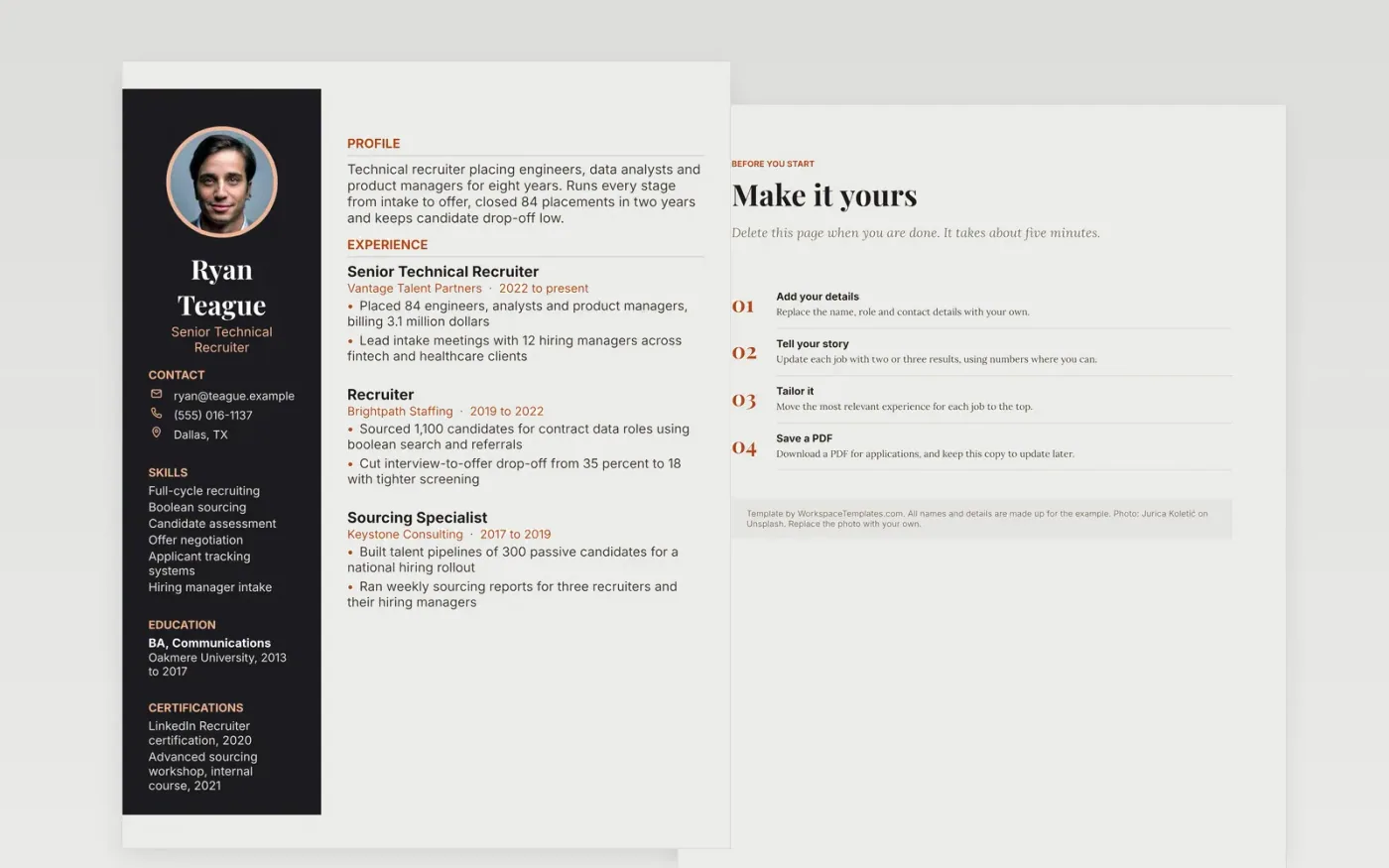
Agency owners and in-house talent leads look for recruiters who fill roles and bring in revenue. They ask for placements, billings, time to fill and the drop-off rate at each stage, along with sourcing methods and the applicant tracking systems used. The headshot and tool list sit in a side panel, and the main area reads as a placement record from the first line.
The example technical recruiter works in Dallas, placing engineers and product managers for fintech and healthcare clients. Swap in your own placement counts, billing totals and client types. Show drop-off as two dated figures with the stage named, since a talent lead wants proof that a process changed, not only that roles were filled.
Make a copy in Google Docs, or download the Word file.
Type over the sample text with your own details.
Delete the guide page when you are done.
Print it, or save it as a PDF.
Placements per year, billings or fees generated, candidates sourced and time to fill. Add drop-off between stages and the number of hiring managers served. Name the role types, such as engineers or data analysts, to show which group the figures describe.
No licence is needed for most recruiting jobs. A LinkedIn Recruiter certification or an internal sourcing course shows skill with search tools, and should carry its year. Employers weigh placements and the quality of the candidates you introduced more than any badge.
Give the number of candidates you sourced for a role type, the search tools used and the share that reached interview. Name the method, such as boolean search or referral chains. One short example of a hard role you filled is more convincing than a general claim.
Docs + Word1 page
Free
Docs + Word1 page
Free
Docs + Word1 page
Free
Docs + Word1 page
Free
Docs + Word1 page
Free
Docs + Word1 page
Free
Docs + Word1 page
Free
Docs + Word1 page
Free
Docs + Word1 page
Free
Docs + Word1 page
Free
Docs + Word1 page
Free
Docs + Word1 page
Free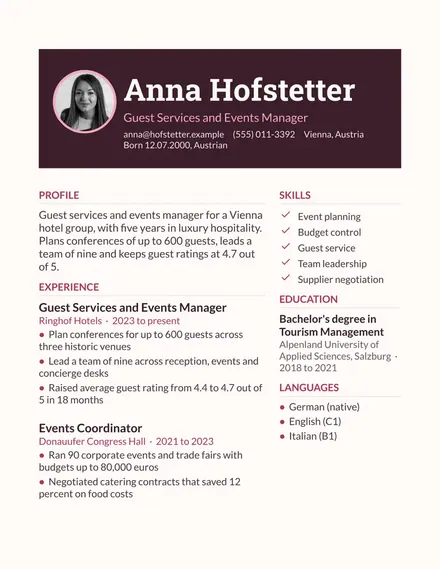
Docs + Word1 page
Free
Docs + Word1 page
Free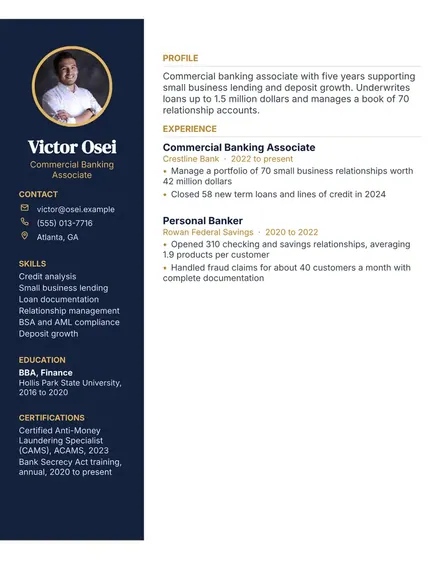
Docs + Word1 page
Free